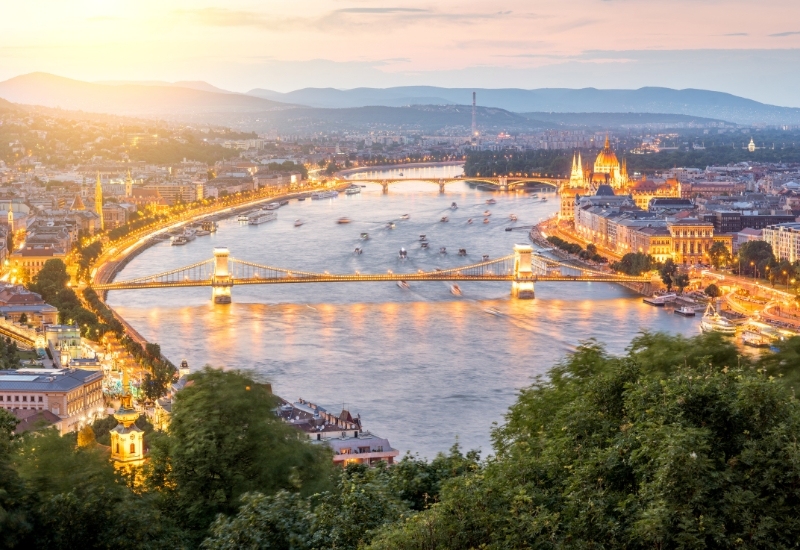
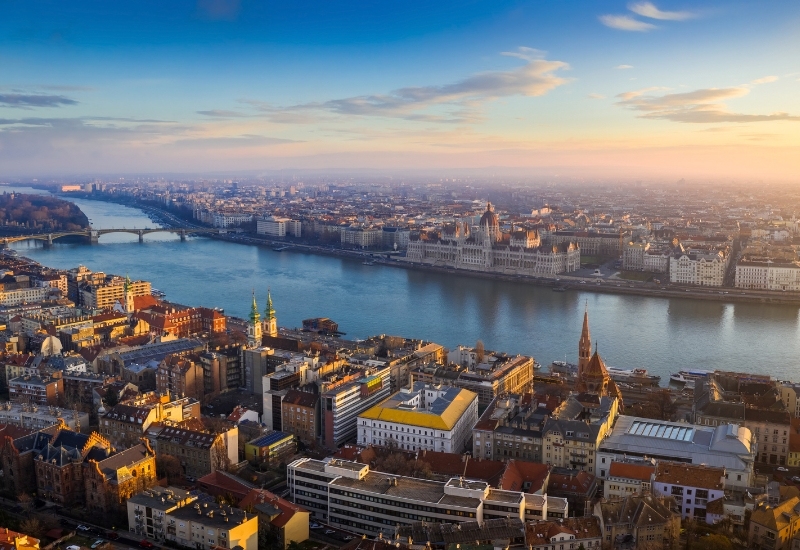
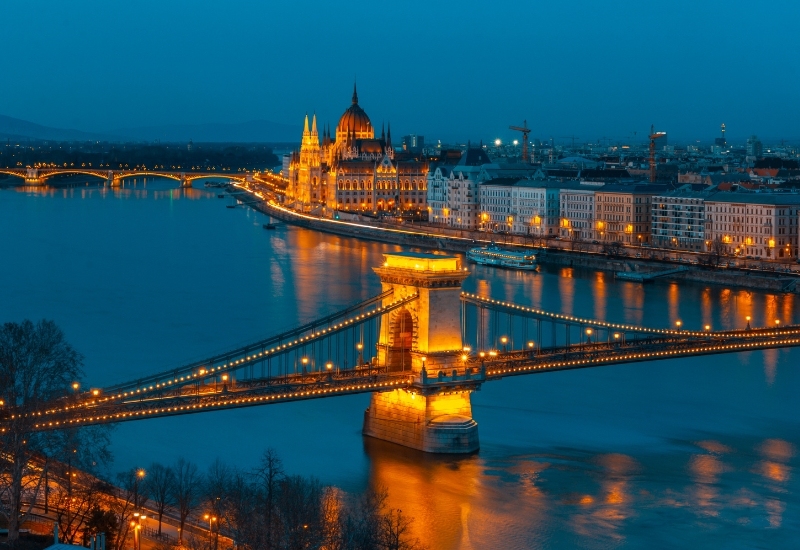
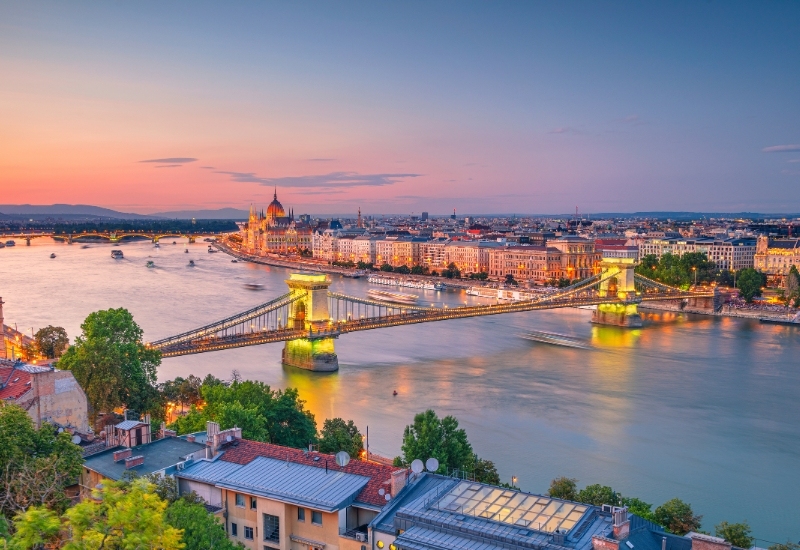
Budapest is known as the “SPA capital” of Europe, thanks to the impressive number of thermal springs found throughout the city. Harnessed in the form of thermal baths, these healing waters have significantly contributed to the popularity of this destination. However, wellness centers are far from being the only major tourist attractions in Budapest.
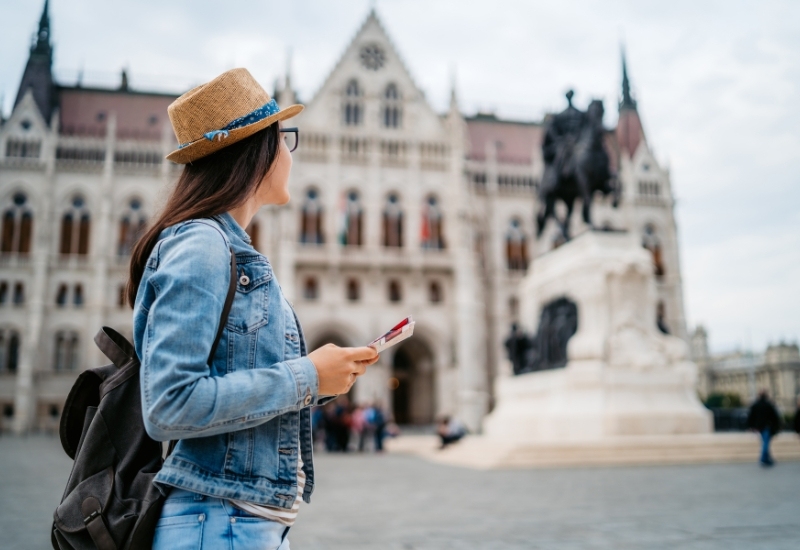
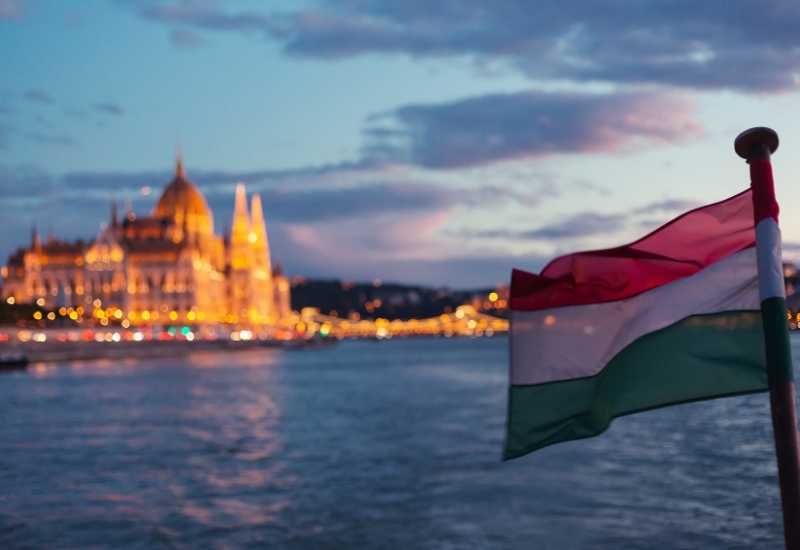
With its immense tourism potential, Budapest has long been one of the most visited capitals in Eastern Europe. Charming historic buildings, fascinating museums, and enchanting parks are just a few of the highlights awaiting visitors in Hungary’s capital.
Buda Castle – the former Royal Palace of Hungary. Over the centuries, the castle has withstood many battles and undergone several reconstructions to reach its current form. Today, it houses the National Gallery, the History Museum, and the National Library. The splendid structure is the result of the creative genius of Jean Nicolas Jadot, a prominent architect at the Viennese court, who transformed the memory of old war-torn residences into a treasure for the people of Budapest. Although the initial plans were slightly modified, the main concept and lasting credit for this masterpiece remain attributed to the renowned architect.
Heroes’ Square (Hősök tere) – one of the most iconic landmarks that no visitor to Hungary’s capital should miss when exploring Pest, the eastern part of the city. In fact, it is almost impossible to overlook, as it stands alongside City Park and its attractions, including the Zoo, Vajdahunyad Castle, Vidám Park, the Széchenyi Baths, and the Ice Rink, as well as the Budapest Art Gallery and the Museum of Fine Arts. Heroes’ Square, together with Andrássy Avenue, is part of the UNESCO World Heritage.
Vienna
Elegant waltzes and Johann Strauss immediately come to mind when thinking of Vienna, the capital of Austria and its largest city. Yet Vienna offers much more: historic landmarks, imperial palaces, world-class museums, and a unique cultural atmosphere.
Most of the city’s major architectural attractions can be found along the famous Ringstrasse, a circular boulevard built where the old city walls once stood. Vienna’s architecture ranges from Gothic cathedrals to Art Nouveau exhibition halls, from Baroque palaces to modern art museums.
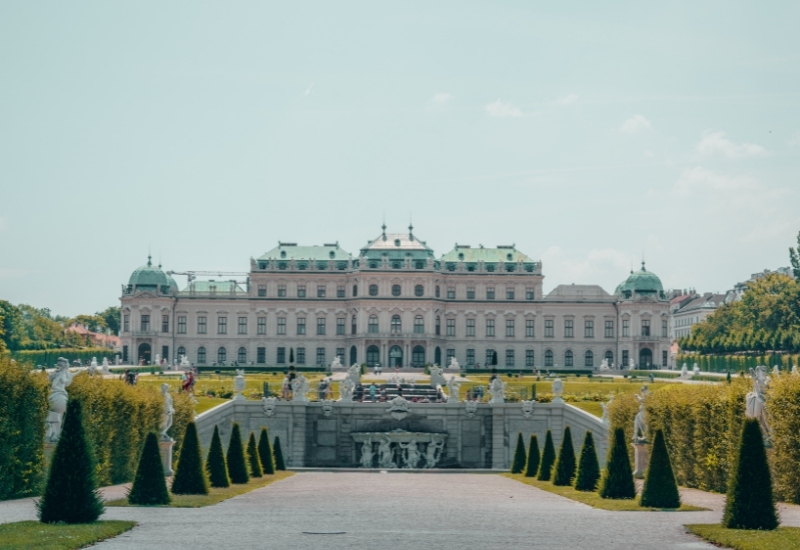
Among the most remarkable sights in Austria’s capital are Schönbrunn Palace – the imperial summer residence, boasting over 1,400 rooms, Kunsthistorisches Museum – one of the most important art museums in the world, Belvedere Palace – home to masterpieces by Gustav Klimt, including his world-famous painting The Kiss.















 O
 Z
 D
 B
 C


