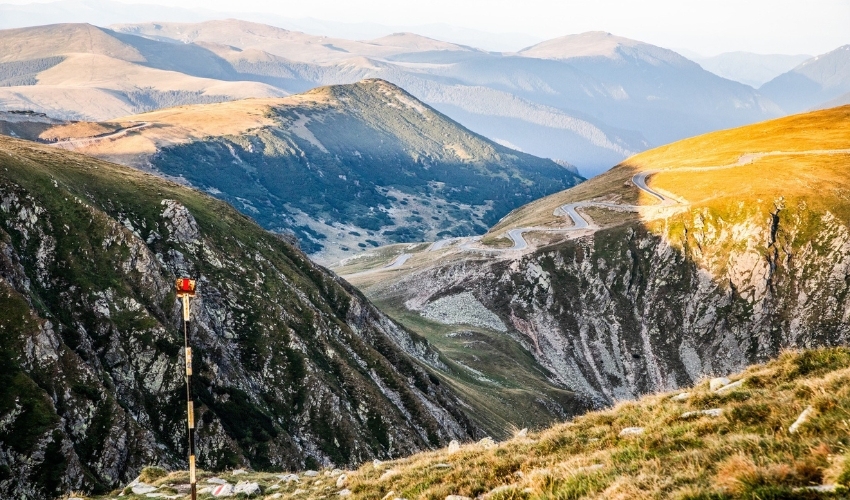
Transalpina → Nicknamed the "King's Road," it is not only the highest road in Romania but also a route full of stories. Along the way, you can find natural monuments and architectural gems built several centuries ago. Transalpina itself is one of the most beloved tourist destinations in the country, alongside the Transfăgărășan. According to legend, the road was laid out two thousand years ago. It is said that Roman legions built it on their way to Sarmizegetusa. Additionally, it was used as a transhumance route by shepherds from Oltenia and Transylvania in the 18th century.
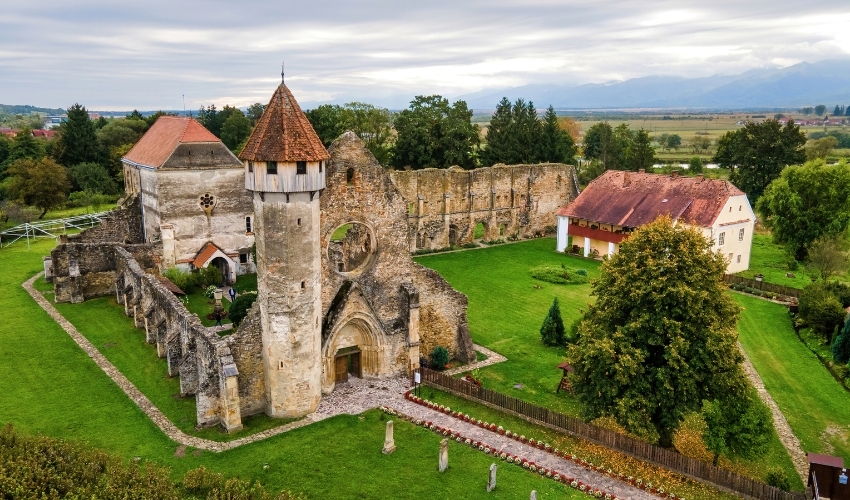
Cârța Monastery → Thousands of foreign tourists, especially Germans and French, visit the former Cistercian Abbey in Cârța, Sibiu County, every year. Their curiosity is not only about the ruins of the monastery, which is over 800 years old, but also about legends that say the old abbey is haunted. “Strange things happen. In the rooms on the ground floor and in the cellars, chairs move and walls shake. The former priest was absolutely convinced that there were ghosts here. It wouldn’t be surprising, because in the monastery yard, at every palm of soil, human bones can be found,” says Father Michael Reger.
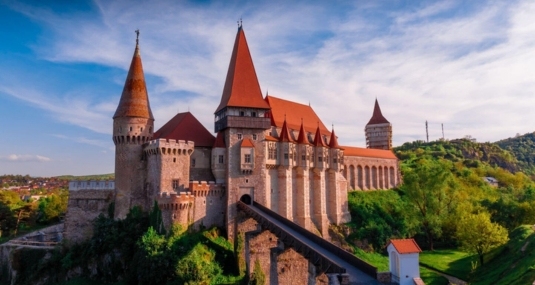
Corvin Castle (Hunedoara) → Known as the "Living Legend of Transylvania," considered the largest medieval monument in Southeast Europe, and the castle where Vlad Țepeș was reportedly imprisoned. The monument has a special charm due to its diverse architectural styles, the presence of military and civil innovations, and the turbulent court life that animated it for over 400 years. Corvin Castle impresses with its presence, dominating the city of Hunedoara. For lovers of the Middle Ages, the castle represents a unique monument in Romania and one of the most attractive in Europe.
Alba Carolina Fortress → This bastion-style fortress in Alba Iulia is the largest fortress in Romania, standing for over 300 years. The fortress allows visitors to travel back in time across two millennia, among the remnants of three different fortifications from different eras. In other words, each fortress built here incorporated the previous one: the Roman castrum, the medieval fortress, and Alba Carolina Fortress. Here, you can also see the paths walked by Roman soldiers, the Union Hall, the Saint Michael Roman Catholic Cathedral, and the Coronation Cathedral of Alba Iulia.
Colored Forest → An artistic manifestation that always sparks the curiosity of tourists in the area. Although the project began in 2017, the Colored Forest continues to be the newest tourist attraction in Baia de Fier. The project, called the "Garden of Paradise," is a protest against the illegal logging that has increasingly affected Romania in recent times.
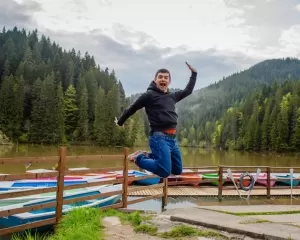
Oașa Lake → Another gem of Transylvania, one of the most beautiful bodies of water near Transalpina, attracting more and more tourists each year. The views around Oașa Lake are truly impressive. The depression-like area surrounding the lake is striking, with slopes covered by vast spruce forests reflecting in the calm waters of the lake.
Hurezi Monastery → Hurezi Monastery is unique within the UNESCO heritage, considered the most representative example of Brâncovenesc architectural style in Romania and the largest monastic ensemble in the country. It is renowned for its architectural purity and balance, richness of sculpted details, treatment of religious compositions, votive portraits, and decorative paintings. Also called Horezu Monastery, it is the most important foundation of the martyr prince Constantin Brâncoveanu. The name Hurezi comes from the "huhurezi" birds, nocturnal birds with exceptionally beautiful and colorful plumage. According to local legend, the craftsmen who worked to build the magnificent monastery, due to threats from the Turks, often worked at night when these birds could be heard.

















 O
 A


