




La sfârșitul anului școlar am avut o experiență de neuitat! Cu elevii clasei a patra am organizat o excursie în România, cu opriri la Casa Creangă, Cetatea Neamț, pista de bob, Cheile Bicazului, barajul Bicaz, Lacul Roșu, telegondola din Piatra Neamț și Parcul lui Setilă. Grupul a fost minunat – zâmbete, povești, copii și părinți frumoși la chip și suflet, care au transformat excursia într-o mică familie de weekend. A fost organizată impecabil. Fiecare loc vizitat a avut farmecul și povestea lui, iar ghidul nostru Mihai Leșco a fost extraordinar, informat, carismatic și mereu atent la nevoile grupului. Totul a fost planificat la cel mai înalt nivel, de la transport și program, până la cele mai mici detalii. Am rămas cu sufletul plin și cu amintiri care vor rămâne pentru totdeauna în inimă. Recomand cu încredere Sicro Travel.


Red Lake • Bicaz Gorges • Neamț Fortress • Iași

Tour details
Red Lake → A natural dam lake located at an altitude of 983 meters, formed in 1837. Due to heavy rainfall, large areas of land on the northwestern slope of Mount Ghilcos collapsed, sliding over a clay layer and blocking the Verescheu Valley, where several fast-flowing streams converge. The water surface is dotted with fir trunks, remnants of the forest submerged by the lake.
Red Lake Bobsled Track → A fascinating destination for thrill-seekers and adventure lovers. Set in a spectacular natural environment, the track offers a unique downhill experience along a serpentine route that winds around the lake surrounded by mountains. Whether you are a sports enthusiast or just an adrenaline seeker, the bobsled track provides a memorable experience in the Red Lake mountain landscape.
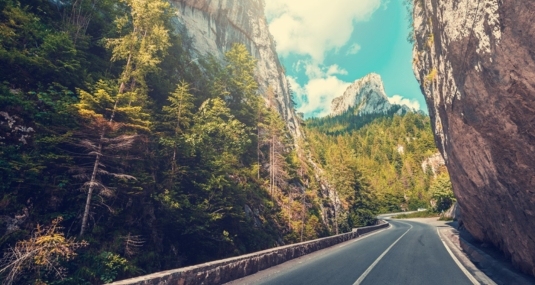
Bicaz Gorges → A particularly picturesque geographical area in central Hasmaș Mountains. Along the winding roads of the gorges, you can find small shops with souvenirs and handcrafted products made by Romanian and Hungarian artisans from the area. You can admire landmarks such as Altar Rock, Pintești Rock, and Arșița Rock (835 m). Other notable rock formations include Surducul Rock, Stone Gate, and Bardos Terrace.
Neamț Fortress → Located near the highest peak of Pleșului Ridge, the fortress is one of Romania’s medieval monuments of exceptional value. Its strategic position and role in significant historical events demonstrate that Neamț Fortress was one of the most well-fortified fortresses of the medieval Moldavian state.
Izvorul Muntelui Reservoir → The largest man-made lake on Romania’s inland rivers, located on the upper course of the Bistrița River. Bicaz Dam, built between 1950–1960, connects Mount Gicovanu with Obcina Horstei. Near the dam, there is a port where tourists can enjoy recreational activities on the lake: mini-cruises on the boat, or rentals of boats, motorboats, and pedal boats. Fishing enthusiasts will also find plenty of designated spots.
Piatra Neamț Cable Car → In the 22 gondolas, tourists can enjoy a beautiful panorama of the city and its surroundings: Bâtca Doamnei Reservoir, Mount Pietricica, and Ceahlău Massif in all its splendor.
Iași → The main city of the Moldova region in Romania. One of the largest cities in the country and the second-largest university center. A historic and cultural city, Iași is often called the “legendary city of the seven hills,” namely Cetățuia, Galata, Copou, Bucium, Șorogari, Repedea, and Breazu. Some hills feature remarkable churches at their summits. Known as the “city of great loves,” the “city of new beginnings,” the “cultural center of Moldova,” and “an open-air museum,” Iași has been recognized since the 19th century as a center of national spirit. Every corner evokes a personality, a unique event, a legend, or part of a myth.
Three Holy Hierarchs Monastery → Famous for its stone carvings on the exterior walls, preserved in their original form for the most part.
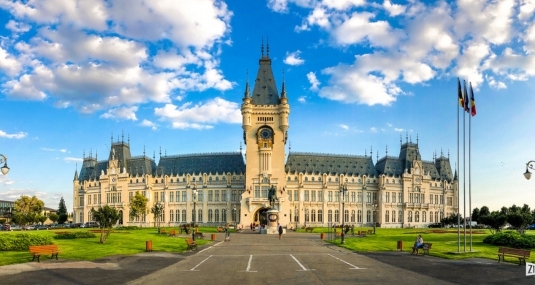
Iași Palace of Culture → A palace of museums. Here you can find the Moldavia History Museum, the Ștefan Procopiu Science and Technology Museum on the ground floor, galleries of European and Romanian art on the upper floor of the Art Museum, and the Moldavia Ethnographic Museum on the first and second floors.
Metropolitan Cathedral of Iași → A holy place for worshippers and pilgrims, especially of Saint Parascheva. Services are held daily, so the relics can be venerated any day of the week.
Departure from Chisinau

- Saturday morning, 5:00 AM, in front of the Railway Station
Day 1
- Iași – Walking Tour
- Church of the Three Holy Hierarchs
- Metropolitan Cathedral of Iași
- Lunch break at the mall
- ”Ion Creangă” Memorial House, Humulești
- Neamț Fortress
- Hotel accommodation
Day 2
- Breakfast at the hotel
- Red Lake Bobsled Track
- Red Lake
- Bicaz Gorges
- Izvorul Muntelui Lake
- Bicaz Dam
- Lunch break
- Gondola ride in Piatra Neamț
- Cozla Mountain Viewpoint
Arrival in Chisinau
- Late Sunday evening, around 11:59 PM, in front of the Railway Station

THE PROGRAM AND ORDER OF TOURIST OBJECTIVES MAY BE SUBJECT TO CHANGE WITHOUT PRIOR NOTICE, DUE TO WEATHER CONDITIONS, TRAFFIC OR OTHER UNFORGETTABLE SITUATIONS.
What is included
Breakfast
We provide breakfast at the hotel on Sunday, allowing travelers to save time and money, enjoy comfort right after waking up, benefit from guaranteed food quality, and start the day stress-free.
1 night accommodation
For our tours, we select hotels of at least 3★. As a rule, accommodation is in double rooms (with either 2 separate beds or 1 double bed). Upon request, triple rooms or apartments can be provided for families, subject to availability. Solo travelers are accommodated in double rooms with twin beds, sharing with another traveler of the same sex.
Guide • Tour leader
Throughout the entire trip, you will be accompanied by a guide/escort from Chișinău. This ensures a safe, enjoyable, and well-organized experience, providing information, guidance, and assistance to facilitate your exploration and discovery of the chosen destination.
Round-trip Transport
Depending on the group size, we provide modern minibuses with 19 seats or coaches with 50–55 seats, all equipped with air conditioning and Wi-Fi, ensuring a comfortable and enjoyable journey.
Additional charges
Medical Insurance
Medical insurance is not automatically included in the package, as it is personalized according to each traveler’s age and health condition. However, it remains essential for safety and for quick access to medical services in case of need.
Indicative rates – weekend trips to Romania:
- up to 60 years – 50 MDL
- 60–64 years – 100 MDL
- 65–69 years – 150 MDL
- 70–74 years – 200 MDL
- 75–79 years – 250 MDL
80+ years – 300 MDL
The traveler is free to purchase medical insurance either through SICRO TRAVEL or from any other authorized provider.
⚠️ Important: if the insurance is purchased elsewhere, it must be presented at the time of boarding.
Entrance tickets to tourist attractions | Bicaz
Additional Costs:
- Entrance ticket to Neamț Fortress: Adults – 12 RON, Children up to 18 years – 6 RON
- Entrance ticket to the “Ion Creangă” Memorial House in Humulești: Adults – 10 RON, Children up to 18 years – 5 RON
- Ride on the Bobsled Track at Red Lake: Adults – 30 RON, Children up to 14 years – 25 RON
- Boat ride on Izvorul Muntelui Lake: Adults and children – 30 RON, Children up to 14 years – 20 RON
- Round-trip ride with the Cable Car in Piatra Neamț: Adults – 60 RON, Children up to 14 years – 40 RON
TOTAL: Adults – 142 RON, Children 14–18 years – 131 RON, Children under 14 years – 96 RON, Pensioners – 142 RON
*Prices may vary according to the rates applied by service providers.
*The agency is not responsible for changes in tariffs.
Period

ACTIVITY
Video
Frequently asked questions
What is included in the price?

Details are presented for each excursion, in the "included activities" and "not included activities" sections. We recommend that you read them carefully and book optional services in advance (some entries require prior appointment).
Why is medical insurance not included in the package and paid separately?
Medical insurance is not automatically included in the package, as it is personalized according to each traveler’s age and health condition. However, it is essential for safety and for quick access to medical services if needed.
Indicative rates – weekend trips to Romania:
- up to 60 years – 50 MDL
- 60–64 years – 100 MDL
- 65–69 years – 150 MDL
- 70–74 years – 200 MDL
- 75–79 years – 250 MDL
- 80+ years – 300 MDL
Travelers are free to obtain their medical insurance either through SICRO TRAVEL or from any other authorized provider.
Important: if the insurance is purchased elsewhere, it must be presented at boarding.
In what language is the trip conducted?
All trips organized in Romania are held in Romanian.
The guide can, if needed, provide organizational details in Russian, but the storytelling and presentation of tourist sites are only in Romanian.
For private groups or customized trips, we can provide English-, Russian-, German-, or French-speaking guides, depending on availability.
Where is the departure point and where do we return?
Usually, the departure point is the Railway Station Square in Chișinău, and the return from the trip is to the same location.
One day before the trip, each traveler receives an SMS with:
- the exact boarding location,
- the guide/escort’s phone number,
- the license plate number of the coach or minibus.
What type of accommodation is included in the trip, and when will we find out the name of the booked hotel?
Accommodation is usually provided in 3★ properties, and this information is mentioned in the trip description. If the exact name of the hotel or guesthouse is not specified in advance, it will be communicated a few days before departure (especially for shorter trips of up to 3 days).
We always select the best options, based on our 9+ years of experience. The final choice of hotel is made once the group is nearly complete, in order to accommodate specific requests for single, triple rooms or family apartments.
Are there stops along the way?
Yes. There is a stop approximately every 3 hours for restroom breaks, snacks, or coffee.
How much does an extra seat cost to sit alone on the transport?
The fees for reserving an extra seat are:
Minibus: €40
Coach: €35
Long trips:
• Istanbul / Budapest & Vienna – €90
• Danube Gorges – €50
If the vehicle is not fully booked, no extra fee is charged.
What seat will I have on the transport?
We cannot guarantee an exact seat number at the time of booking. Seat allocation is done transparently, based on the order of payment: the earlier you pay, the closer you will be seated to the front of the transport.
At booking, we can provide an approximate indication (“among the first seats,” “in the middle,” “after the middle,” “towards the back,” “last seats,” etc.).
Why can’t we specify the exact seat?
🚌 We work with several transport companies, and the vehicles may vary from one trip to another.
💺 Each coach or minibus has its own seat numbering system.
At SICRO TRAVEL, we strictly follow one principle: seats are allocated exclusively according to the order of payment.
What type of transport is used for the trip?
In most cases, we travel by modern coach when there are more than 20 confirmed participants.
For groups under 20 people, the trip is organized with a comfortable and spacious minibus, specially designed for international travel.
All vehicles are modern, equipped with air conditioning and luggage space.
You can view the transport we travel with here: www.sicro.md/en/transport-services
Can I change or cancel my vacation after payment?
Yes, according to the contract. The conditions for modification or termination are specified in the contract annex and on each trip’s page under the “Documents” section.
❓Requests should be sent to: [email protected].
How is accommodation arranged for solo travelers?
We usually try to place solo travelers in twin rooms (separate beds) with persons of the same gender and similar age. If room sharing is not possible, a single supplement applies:
Romania: from €40 / night
Istanbul: €50 / night
Hungary: €50 / nigh
What will the weather and conditions be like during the trip?
Rain in Chișinău does not mean the same weather at the destination, which may be 300–500 km away. Trips are canceled only in exceptional cases (natural disasters, official alerts, major blockages).
If the weather changes during the trip, the team adjusts the route and schedule to ensure the excursion remains safe and enjoyable for all participants.
Why are prices shown in euros, but payments are made in Moldovan lei, and what exchange rate applies?
According to Moldovan law, payments must be made exclusively in Moldovan lei. Prices are displayed in euros because costs depend on external partners.
- Excursions and domestic trips – the commercial euro selling rate of MAIB SA on the day of payment applies. Details: https://www.sicro.md/en/-exchange-rate
- International vacations and packages (sea and mountain) – the exchange rate set by external partners applies. In this case, the commercial rate may be up to +2% higher than the official NBM rate.
Where will we have lunch and dinner?
Breakfast at the hotel is included (see the “included services” section).
Lunch and dinner are at your own expense. The guide will recommend local restaurants and guesthouses suitable for the group.
Can I skip some excursions or included attractions?
Yes, as long as it does not affect the group’s overall program.
If you wish to skip a certain visit (e.g.: Brașov, Bran Castle), please inform the guide and be back at the transport at the scheduled departure time.
What discounts does SICRO TRAVEL offer?
Loyal customers – 5% discount for travelers who have joined us at least once a year during the past 3 years.
(The discount does not apply to seaside and mountain packages.)
Groups – for a minimum of 10 paying participants, the 11th person travels free of charge.
Families with children – special discounts are applied depending on the number of adults, number of children, their ages, and the number of rooms required. To determine the exact discount, these details must be provided.
How can I pay for the trip?
Available payment methods are:
- Bank transfer
- Online card payment
- Cash or card at the agency office
- Paynet
- MIA
- MAIB self-service terminal or ATM
How you can pay




From99 €/pers 109 €
RECOMMENDED tours
109 €per person≈ 2 200 MDL
115 €per person≈ 2 320 MDL
109 €149 €per person≈ 2 200 MDL
185 €199 €per person≈ 3 730 MDL
175 €189 €per person≈ 3 530 MDL
199 €per person≈ 4 020 MDL
99 €per person≈ 2 000 MDL
119 €per person≈ 2 400 MDL
What travellers say
O experiență de neuitat la Via Ferata, alaturi de ghidul Radu Țurcan! Excursia a fost organizată perfect, totul gândit pana la cele mai mici detalii, transport confortabil. Două zile plină de aventură pe 2 trasee frumoase, cazare lânga Lacul Roșu , plus shopping la Iași, am reușit de toate :) Recomand Sicro Travel cu drag!
Am fost cu Sicro la Cheile Bicazului, am rămas foarte impresionată de traseul ales, am reușit în 2 zile multe să vedem, printre care orasul Iasi, Cetatea Neamt, Lacul Rosu si desigur Cheile Bicazului, pentru care si am ales excursia! Sincer, mi-a depasit asteptarile. Organizarea a fost de nota 10, am simțit profesionalism, responsabilitate și grijă din partea lor. Mulțumiri alese doamnei Natalia, ghidul nostru care ne-a "culturalizat", ne-a închegat ca grup și a creat o atmosferă ca între vechi prieteni. Sigur mai revin la ei pentru alte excursii! Recomand cu căldură.
În acest weekend, am avut plăcerea de a organiza o excursie cu elevii mei în România, 🇷🇴desigur că am ales agenția SICRO Travel, iar experiența a fost una de neuitat. Am vizitat locuri uimitoare, precum Cheile Bicazului și Lacul Roșu, care ne-au impresionat prin frumusețea peisajelor de îți taie respirația. De asemenea, vizita la Casa lui Ion Creangă din Humulești ne-a copleșit frumos prin opera sa valoroasă „Amintiri din copilărie”.🍒
Un alt moment deosebit a fost descoperirea orașului Neamț, unde am avut ocazia să ne bucurăm de o priveliște nemaipomenită cu telegondola și să explorăm cetatea Neamț.
Țin să îi mulțumesc respectuos ghidului nostru, Mihai, care a avut o abordare profesională, fiind răbdător, înțelegător și o atitudine binevoitoare față de tot. A gestionat grupul cu responsabilitate, asigurându-se că toți elevii s-au simțit în siguranță și au avut parte de o experiență plăcută. Recomand cu căldură SICRO Travel pentru organizarea excursiilor, grație serviciilor de calitate și profesionalismului lor!
Recent am avut parte de o experiență deosebită alături de Sicro Travel, într-o mini excursie ce ne-a purtat prin frumusețile naturale și culturale ale României – Cheile Bicazului, Lacul Roșu și orașul Iași. Totul a fost organizat impecabil, de la transport până la programul activităților.
Ghidul nostru, Mihai, a fost foarte bine pregătit, cald și atent la nevoile fiecărui participant, reușind să creeze o atmosferă relaxată și prietenoasă pe tot parcursul excursiei.
Cheile Bicazului ne-au lăsat fără cuvinte – o adevărată capodoperă a naturii, iar Lacul Roșu, liniștit și fermecător, ne-a oferit momente de relaxare și contemplare. Orașul Iași ne-a impresionat prin bogăția sa culturală, istorică și arhitecturală – o oprire perfectă pentru iubitorii de istorie și frumos.
Recomand cu mare drag Sicro Travel tuturor celor care doresc să descopere România într-un mod organizat, sigur și plin de voie bună. Cu siguranță voi mai călători cu ei!
Am avut parte de un weekend minunat alături de echipa Sicro Travel în cadrul excursiei la Cheile Bicazului, Lacul Roșu, Cetatea Neamț, Iași.⛴️⛰️
Totul a fost organizat la cel mai înalt nivel, începând cu transportul confortabil și terminând cu cele mai mici detalii și dorințe ale grupului nostru, care niciodată nu rămâneau fără atenția ghidului nostru. Am petrecut fiecare clipă cu folos, am aflat multe lucruri noi despre locuri care păreau bine știute, chiar și ploaia nu ne-a oprit să explorăm obiective și să admirăm natura în toată frumusețea ei.
Vreau să menționez cazarea- un hotel foarte drăguț și confortabil, cu o mâncare foarte gustoasă și proprietari foarte prietenoși .
De asemenea, ținem să mulțumim pentru această experiență, în primul rând, ghidul nostru Vali. Deși îl cunoaștem de mult timp în cadrul oficiului, l-am descoperit în această călătorie dintr-un alt punct de vedere- este un ghid foarte atent și binevoitor, nu ne-a lăsat să ne plictisim nicio clipă. Datorită recomandărilor lui, deja planificăm o altă călătorie alături de Sicro Travel. De asemenea, mulțumim întregii echipe Sicro Travel pentru organizarea impecabilă și grija pe care o poartă ei în timpul excursiilor 🤍.
Am fost în excursie la Cheile Bicazului, Lacul Roșu, Cetatea Neamțului și Iași. Ghidul Natalia este foarte bravo, ne-a arătat toate obiectivele turistice, ne-a prezentat informații detaliate și a avut grijă de întregul grup. Am avut noroc și de un șofer experimentat, Sergiu, care s-a asigurat ca noi să ajungem în siguranță la destinație. Hotelul Tesa din Târgu Neamț, în care am fost cazați, este ideal, proprietarii sunt amabili și acordă atenție maximă tuturor. Recomand!
Profund recunoscatoare intregii echipe SICRO Travel pentru experienta uimitoare pe care am trait-o impreuna cu familia in excursia Cheile Bicazului-Lacul Rosu- Castelul Lazar-Borsec-Parcul Durau. Alaturi de ghidul nostru Natalia 🌸, o doamna respectuoasa si exceptional de profesionista, am trait clipe memorabile care peste ani vor deveni amintiri pretioase. Va multumim pentru grija, atitudine pozitiva si profesionalism. Va dorim sorti de izbanda in tot ceea ce Va propuneti spre realizare!❤️
Călătoria Iași- Cheile Bicazului ghidată de Natalia fost plină de cultură, activă, veselă și captivantă! Mulțumim SICRO pentru aceste emoții, neapărat revenim pentru alte aventuri!
Am avut parte de o experiență minunată cu agenția de turism Cunoaște-ți țara (Sicro travel) în excursia noastră către Lacul Roșu • Cheile Bicazului • Cetatea Neamțului • Iași. Organizarea călătoriei a fost impecabilă, iar ghidul a fost extrem de informat și pasionat de destinațiile pe care le-am vizitat.
Am fost impresionați de locurile frumoase alese pentru această excursie și de modul în care am putut explora natura și istoria din aceste zone. Lacul Roșu ne-a cucerit cu peisajele sale spectaculoase, iar Cheile Bicazului ne-au oferit o incursiune de neuitat în natură.
Vizita la Cetatea Neamțului a fost captivantă, ghidul povestindu-ne lucruri fascinante despre istoria locului. Iar Iași-ul ne-a fermecat cu arhitectura sa impresionantă și atmosfera boemă.
Recomand cu căldură agenția de turism Cunoaște-ți țara (Sicro travel) pentru excursiile lor bine organizate, ghizii profesioniști și alegerile excelente de destinații. A fost o experiență memorabilă pe care cu siguranță o vom repeta!
Am avut cu clasa o excursie de neuitat la Cetatea Neamt, Cheile Bicazului, si alte obiecte turistice, recomandate de agentul turistic Mihai si prezentate de ghidul nostru Vali. O echipa buna, care respecta promisiuni, timp si calitate!
Am fost intr-o excursie superbă la Iași-Cheile Bicazului-Piatra Neamț.
Cazarea a fost superbă!
Ghidul nostru a fost Mihai. Ne-a povestit foarte multe detalii interesante și a lăsat pe toți Fericiți și Satisfăcuți.
Deja planificăm următoare destinație.
Mulțumim! 🌺🌺🌺


